


Modal Analysis
Eigenmodes are room resonances that determine the low-frequency behaviour of any recording studio, hi-fi listening room or home cinema. Thus, their detection by listening tests and measurements is an almost indispensable basis for the selection and positioning of suitable countermeasures.
The detection of eigenmodes, also known as room resonances, through a professional modal analysis has a threefold effect on sound in a room:
- Dips and boosts affect frequency responses at the listening position.
- Sound fields become highly location-dependent and loudspeaker positions, as well as ear conditions, have completely different impacts.
- Rooms store energy or resonance frequencies, which are released with a delay. This is also known as low-frequency decay and results in a blurred bass sound.
Detailed results are KEY
Certainly, without the results of a detailed modal analysis, the effective reduction of room eigenmodes is impossible. In other words, crisp bass sounds in professional control rooms, hi-fi rooms and home cinemas can’t be achieved. However, it is possible to calculate the eigenmodes of a cuboid and perfectly sound-reflecting room, but the actual conditions usually differ significantly vastly from the theory. There are several reasons for this:
- There is no closed calculation method for non-cuboidal rooms (sloping roofs, L-shaped floor plans, window fronts on one side, etc.).
- Building components such as floating screeds, window panes, suspended ceilings, drywalls, etc. usually have resonant frequencies in the audible range. Therefore these elements resonate or act acoustically like plate transducers and thus have a considerable influence on the room acoustics.
- Furnishings such as cupboard walls, shelves, upholstered furniture etc. also have a significant effect on the acoustic room properties.
- Almost all building components such as ceilings, walls or windows have lower sound insulation at low frequencies. And the resulting sound transmission is not taken into account by the model.
In conclusion, every successful acoustic planning starts with the modal analysis of a room to determine the dominant eigenmodes under real conditions. This important step creates the basis for all further planning steps. Only if we understand the low-frequency behaviour of a room, we can develop targeted and successful corrective measures.
The detection of room resonances, which we also perform for highly professional control rooms, includes detailed measurements. We carefully measure the geometry and analyse the existing components in relation to their vibration behaviour. Consequently, this results in a detailed overview of the orientation and characteristics of a room’s resonances. After that, all results of the modal analysis are documented in a final report.
Modal analysis project examples:
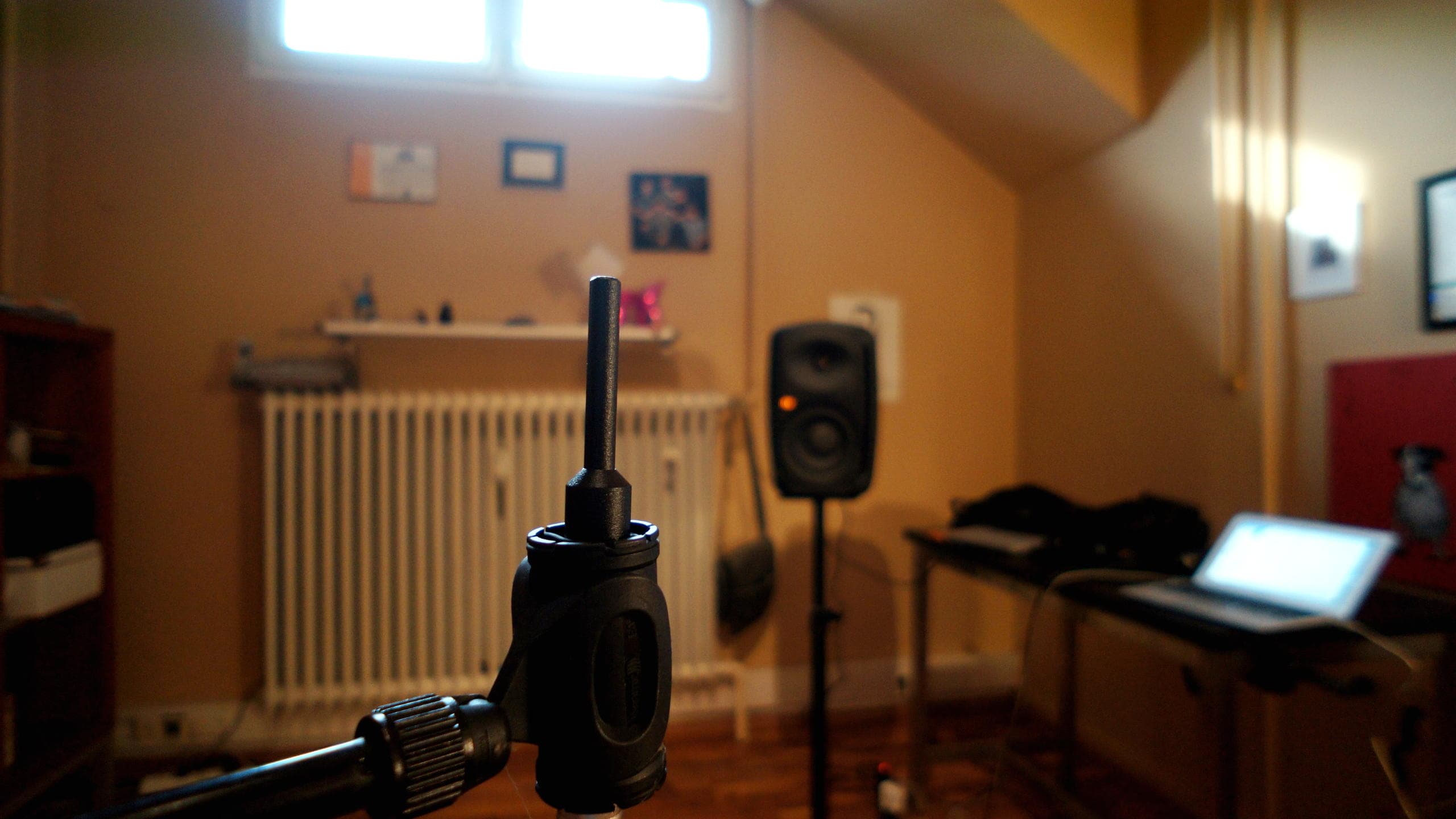
Recording studio in the inventory before reconstruction measures
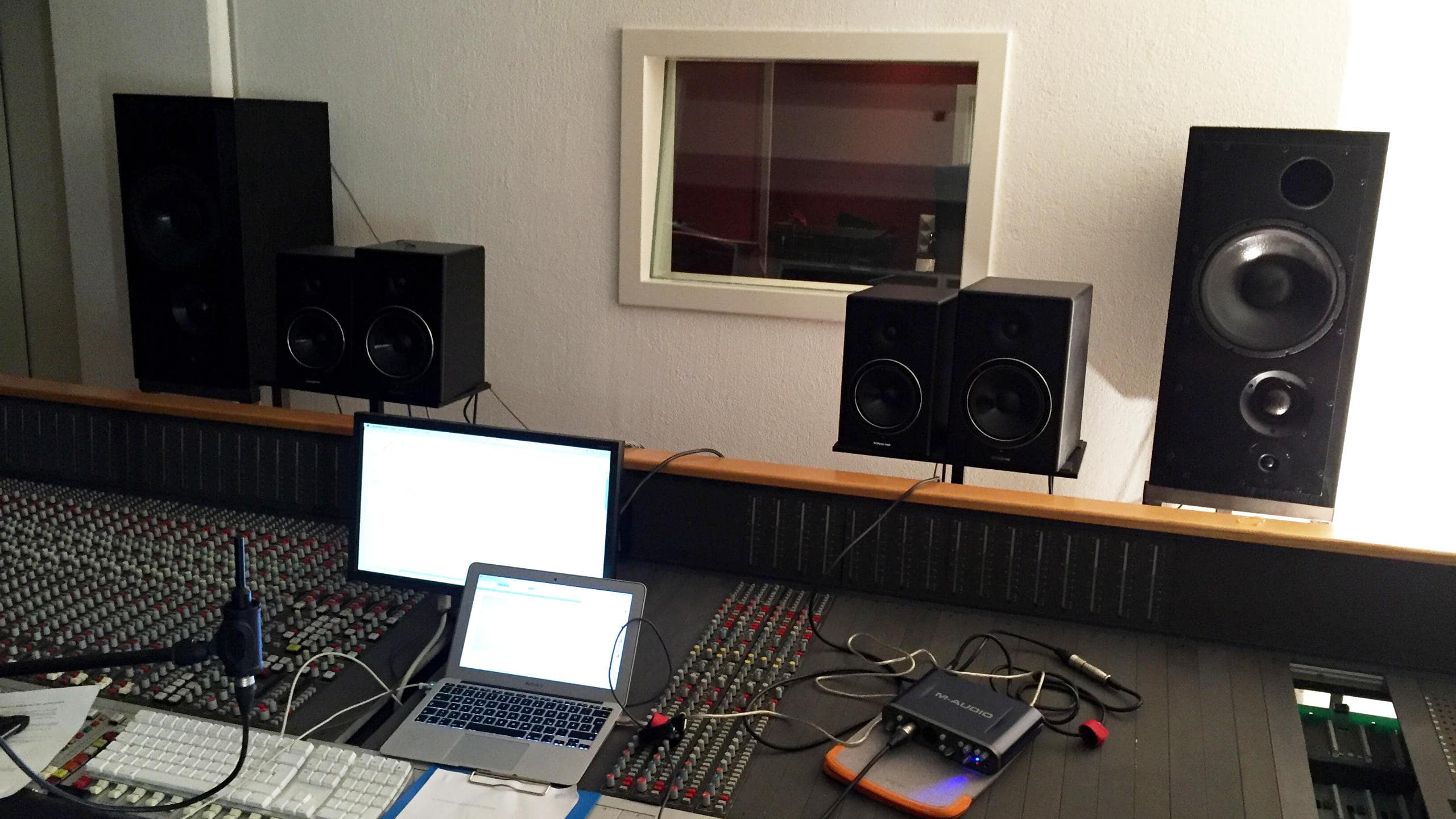
Recording studio before reconstruction measures
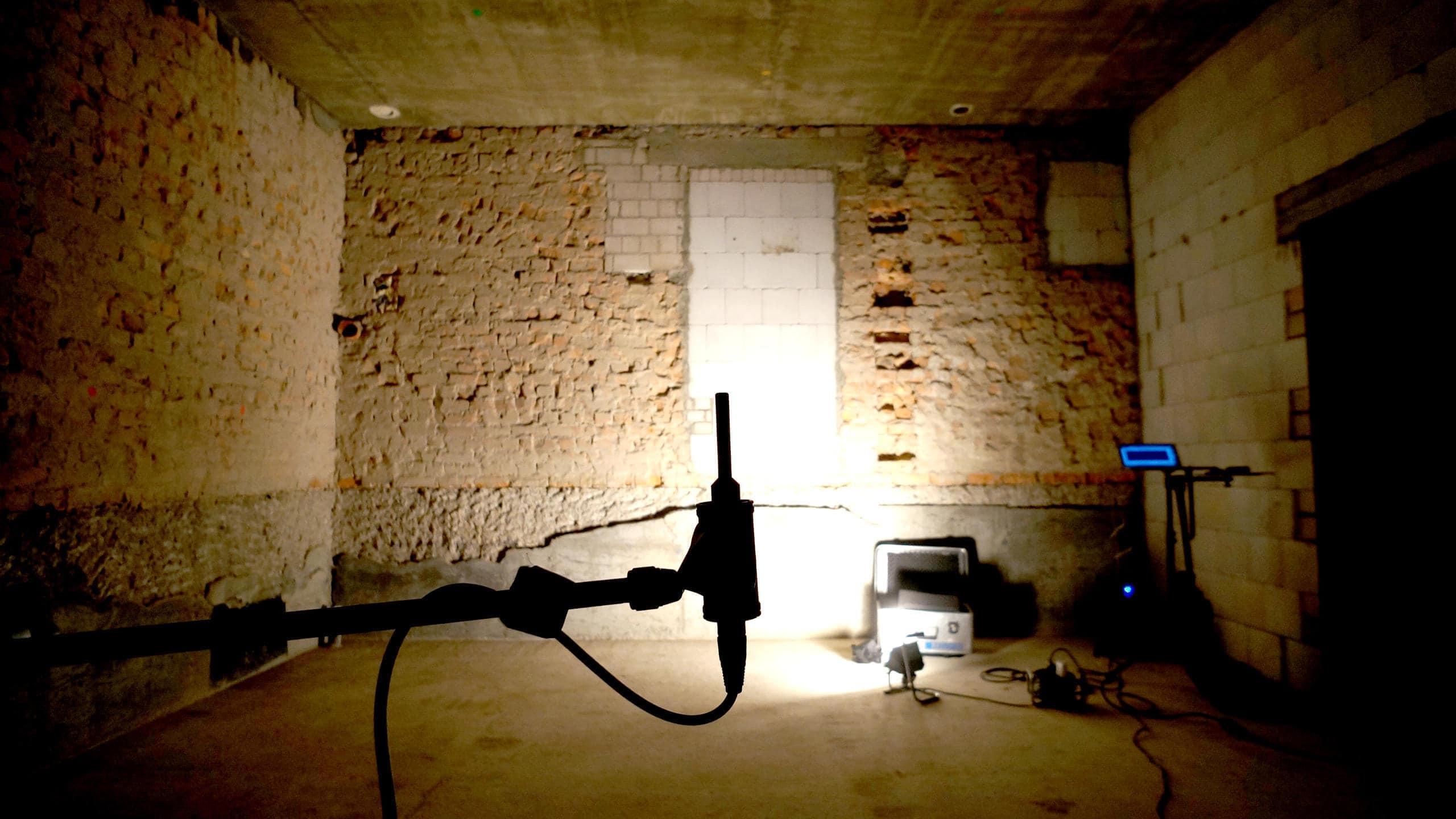
In the shell, this is where a home cinema is created
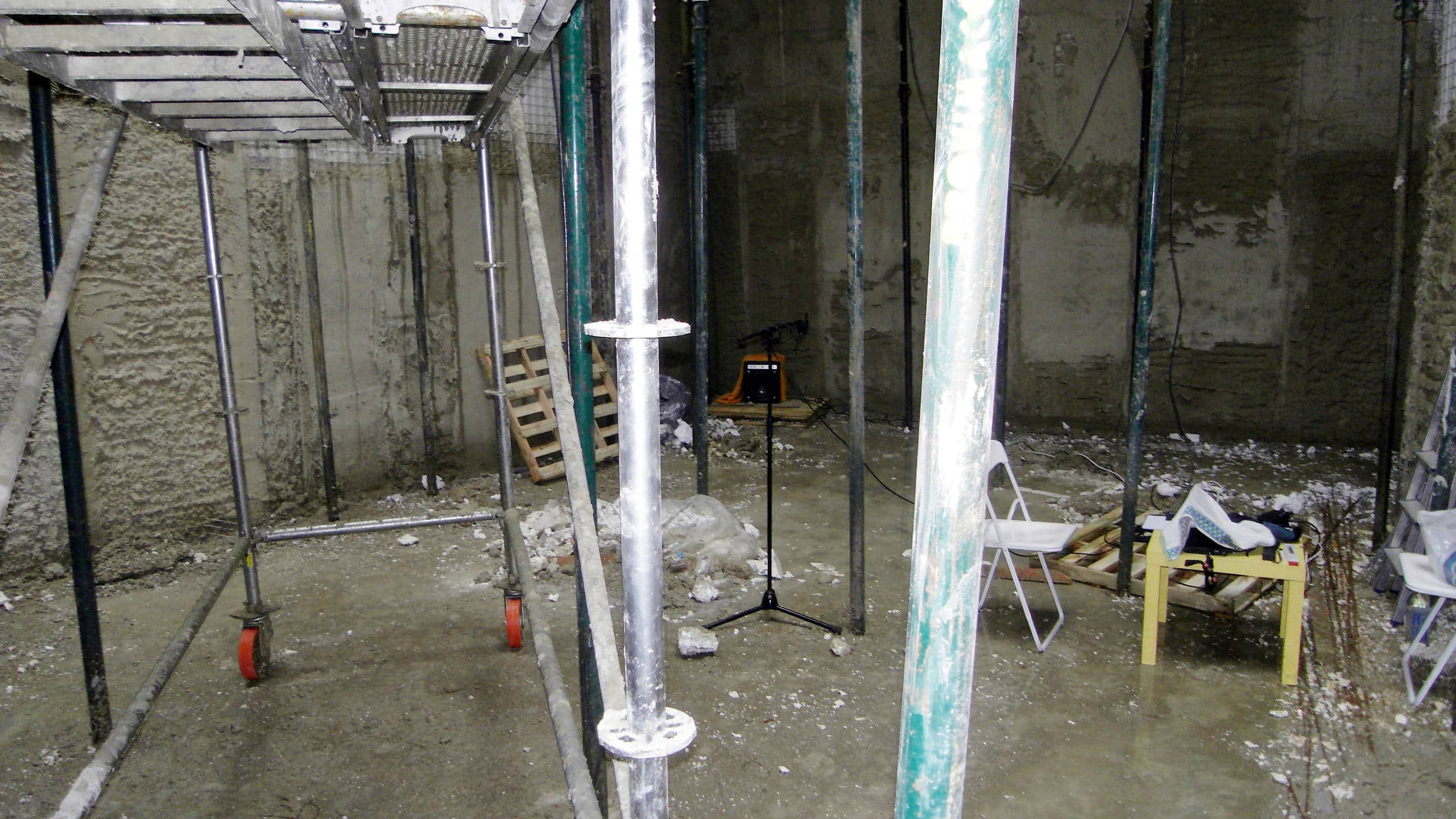
In the shell of the Mastering Mansion in Madrid – in the Spanish rain, you hardly believe it
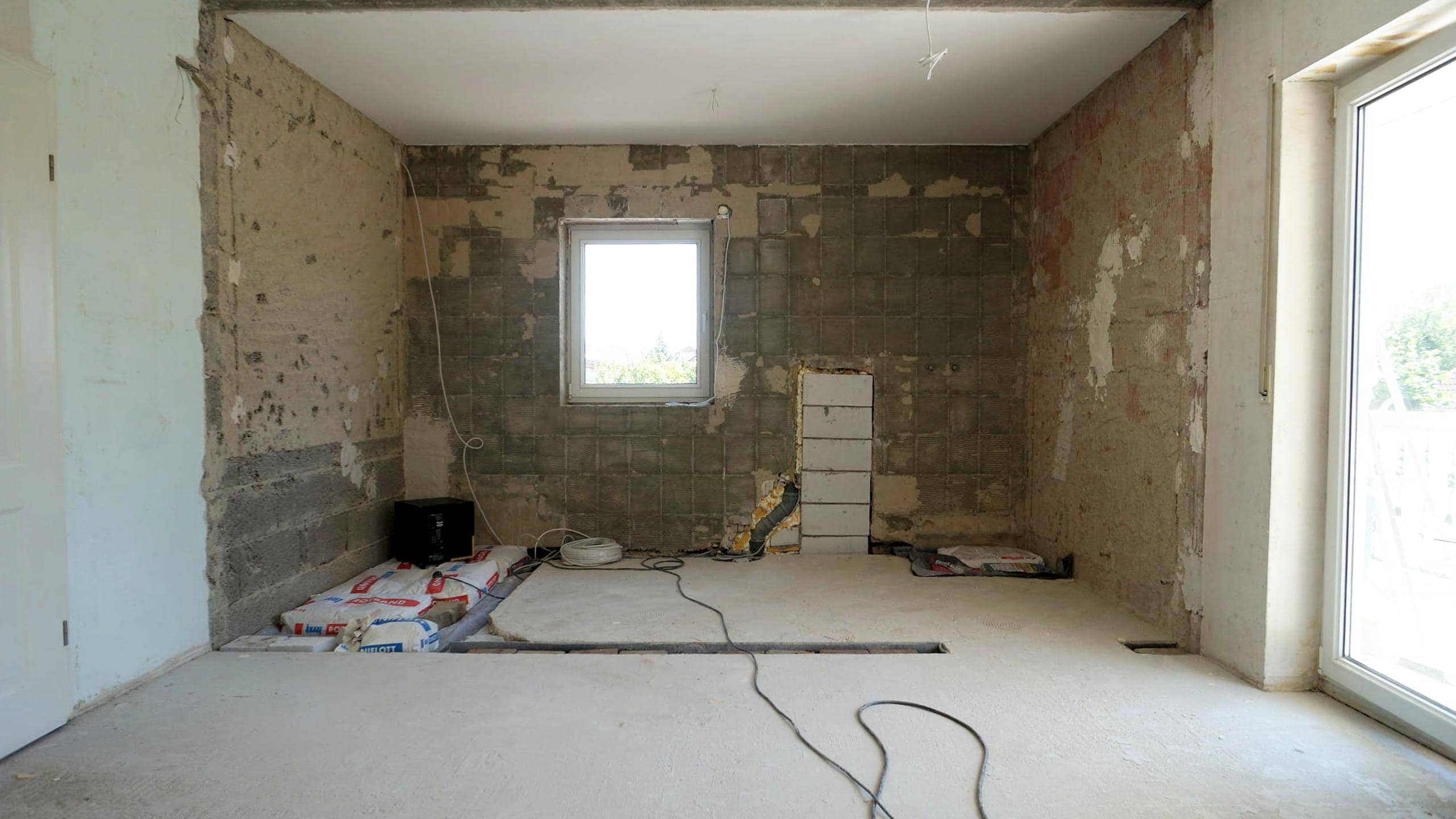
Modal analysis in the shell, this is where a control room is created
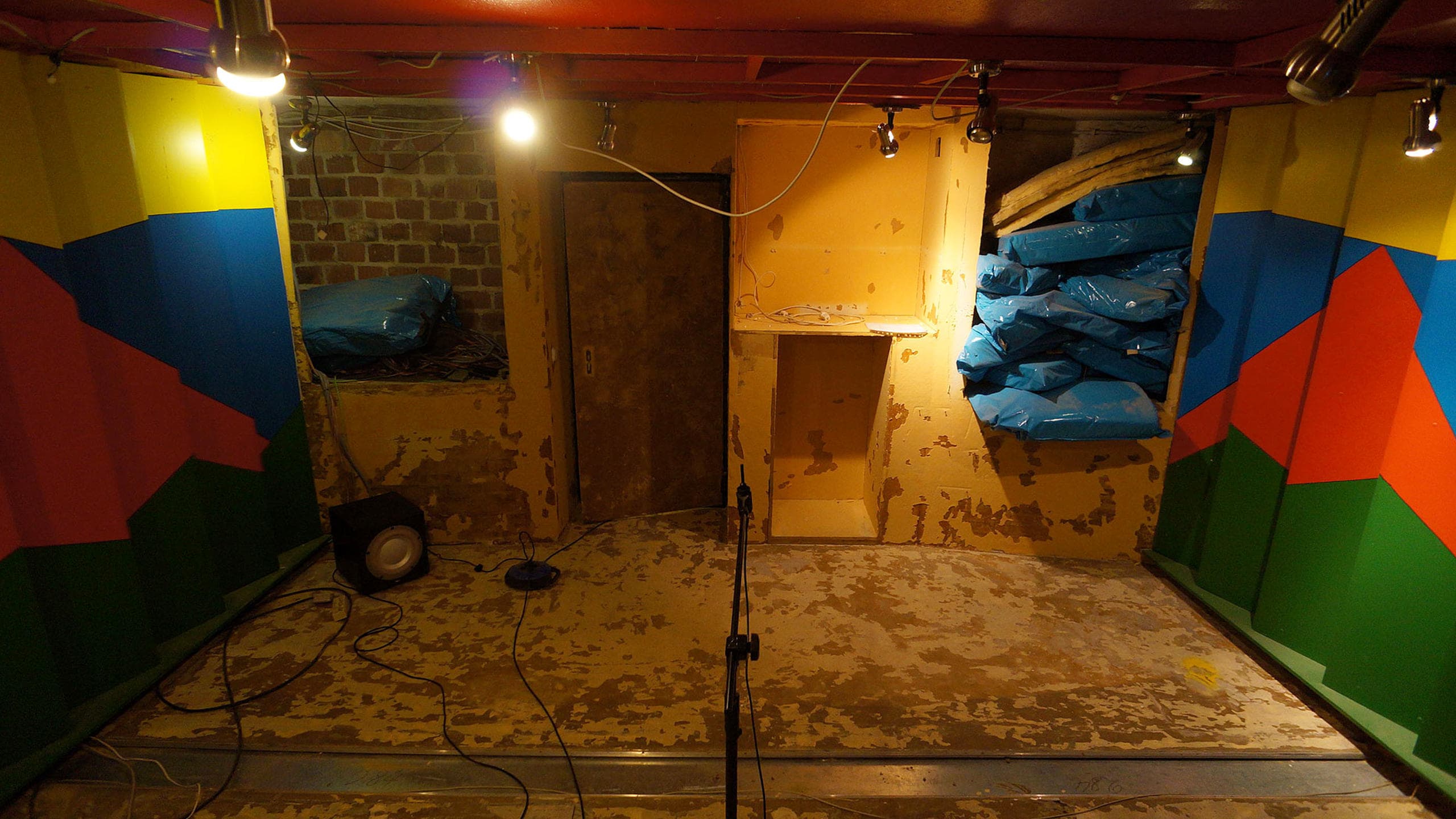
Deconstructed control room 1 of the High Tide Studios before the start of the reconstruction
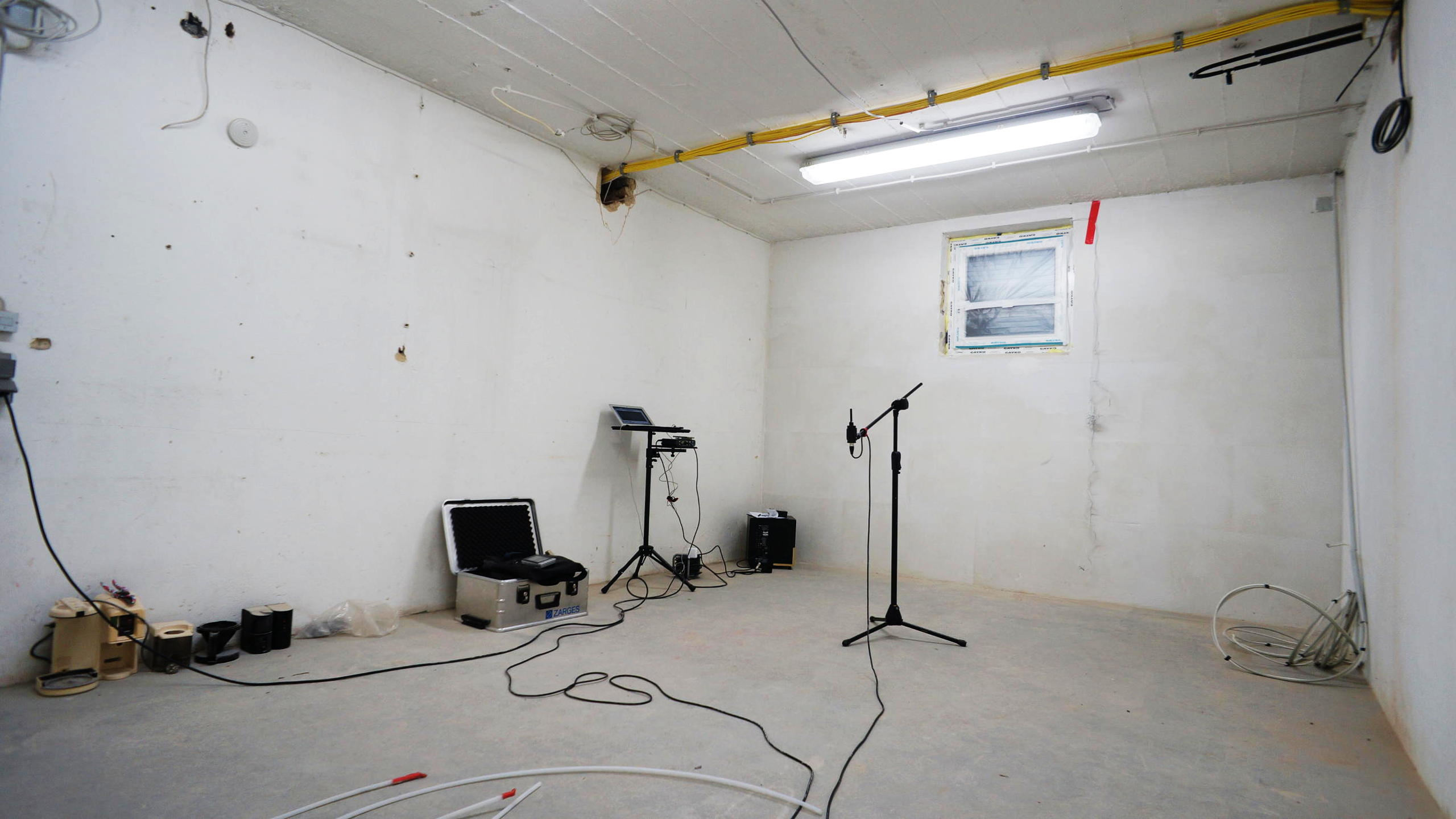
Basement, a home cinema is created here
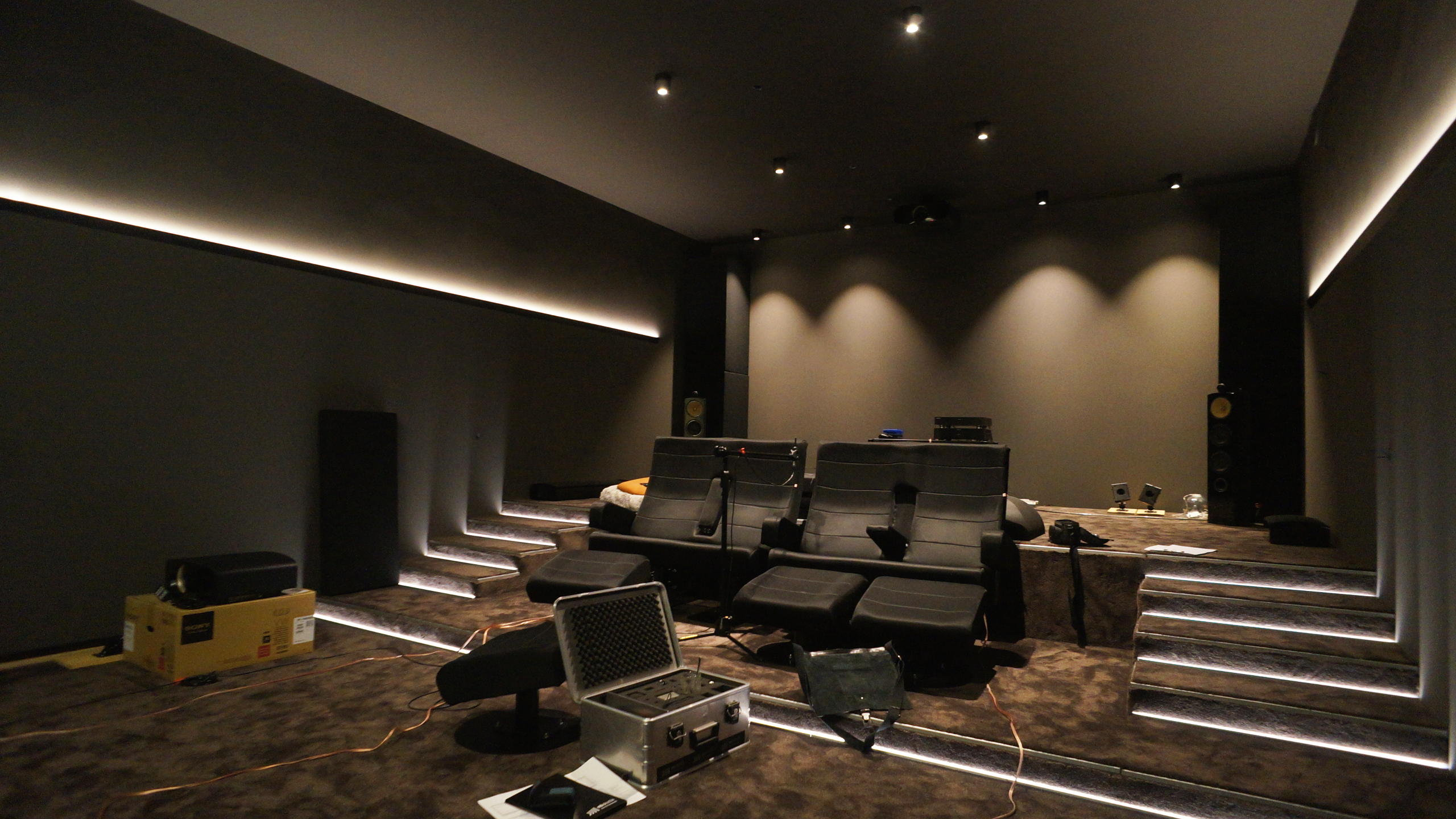
Home cinema before conversion measures
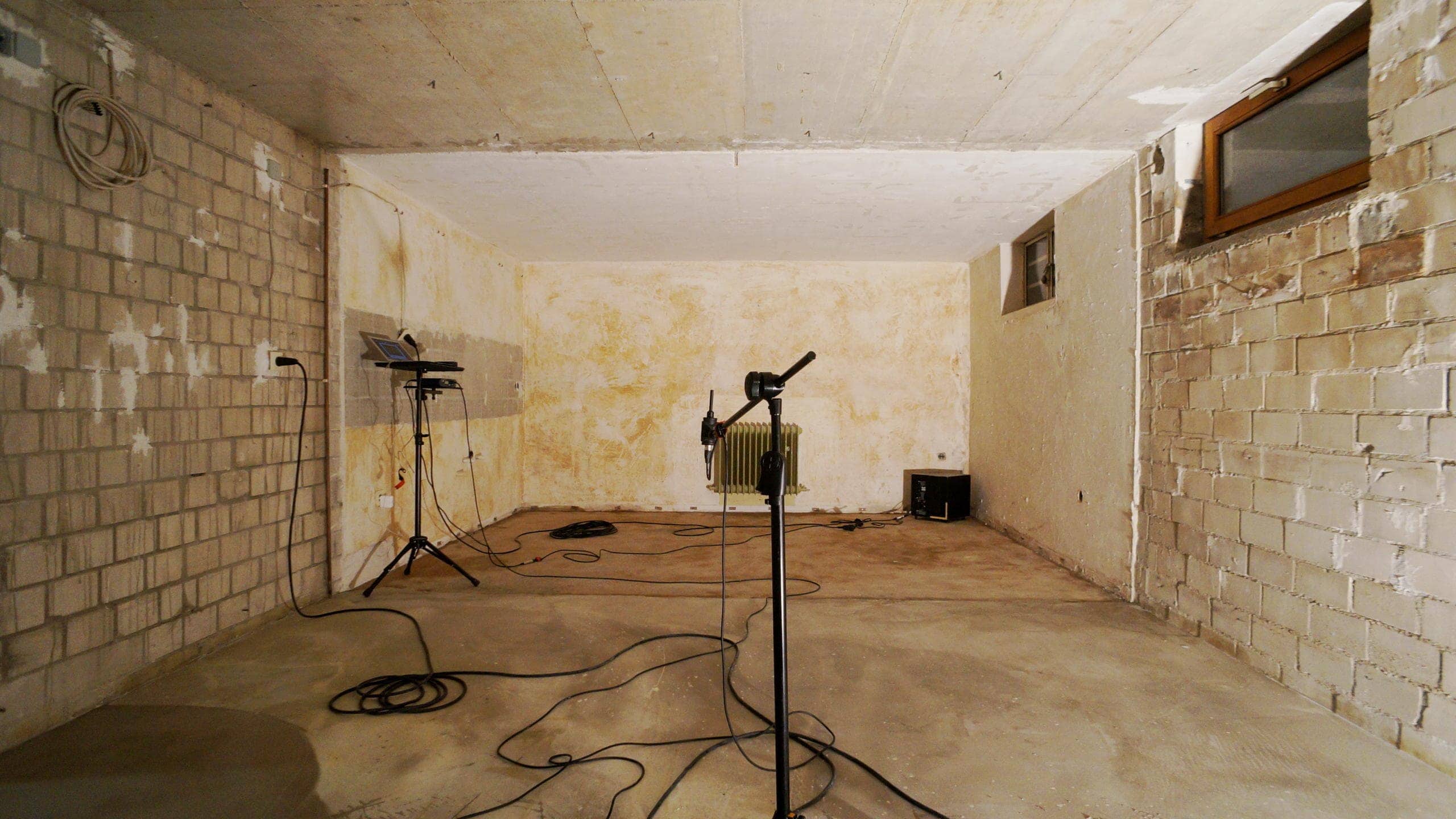
Building shell, this is where a home cinema is created
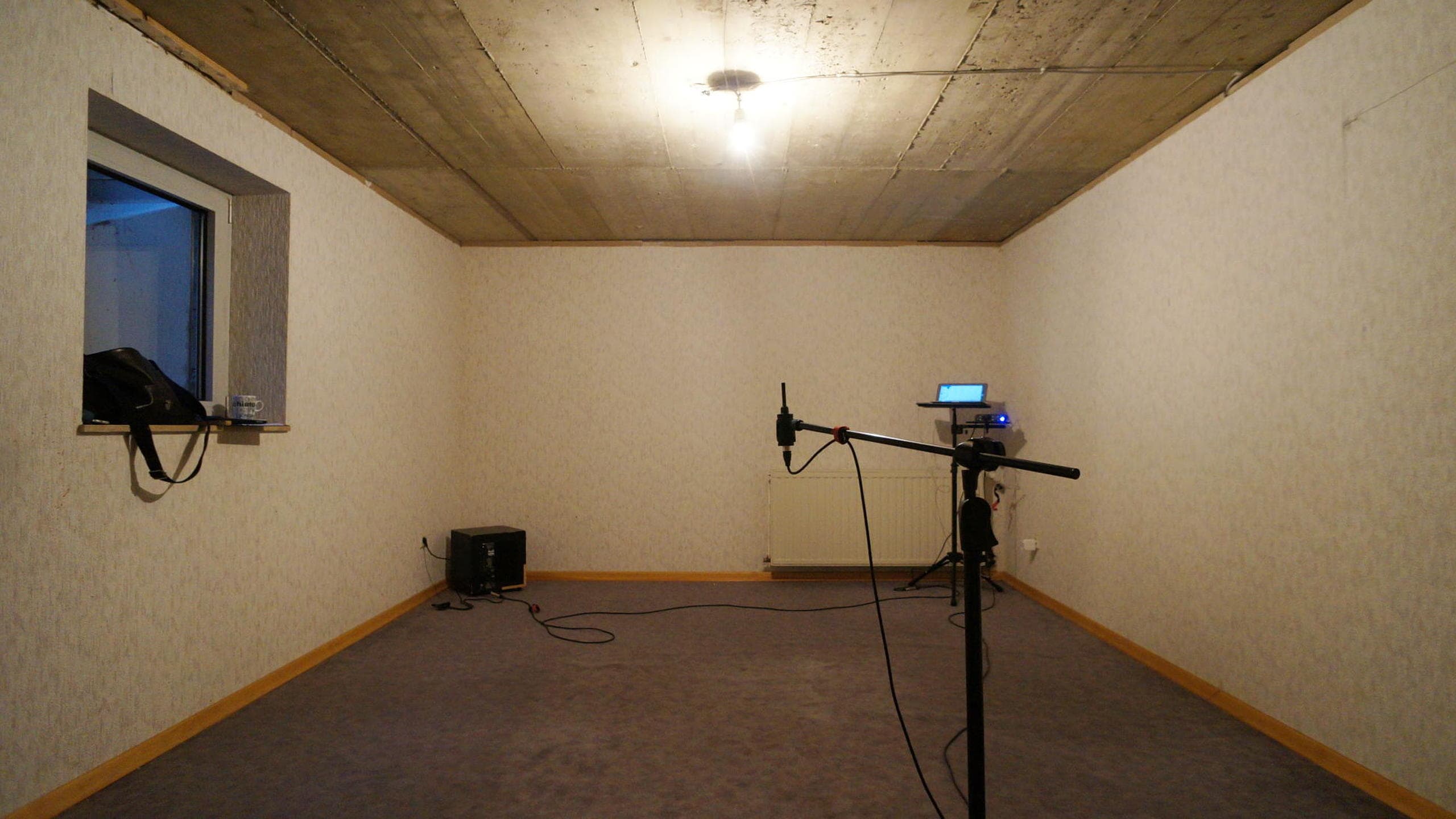
Basement, a home cinema is to be built here
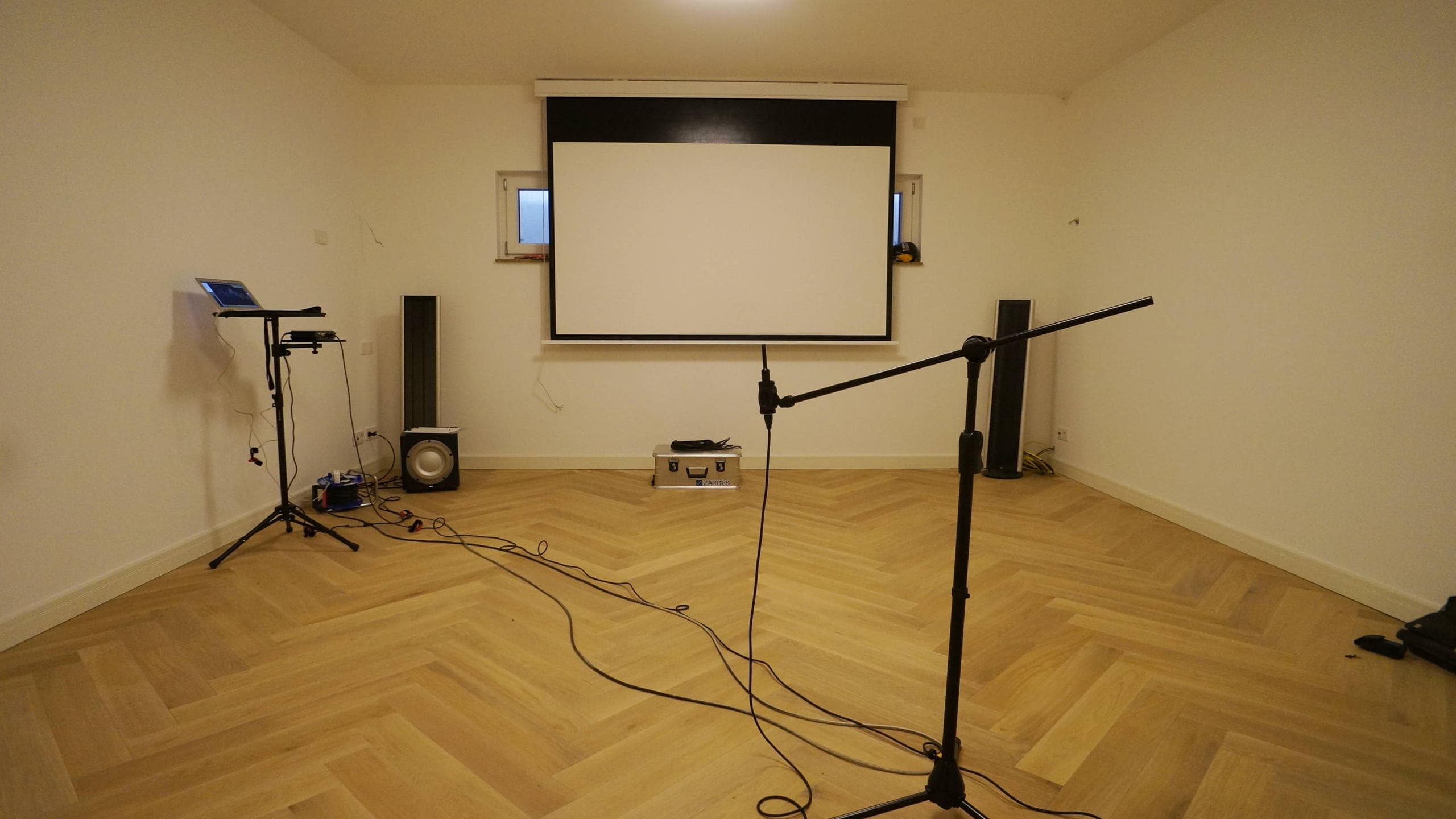
Empty space, here also a home cinema is created
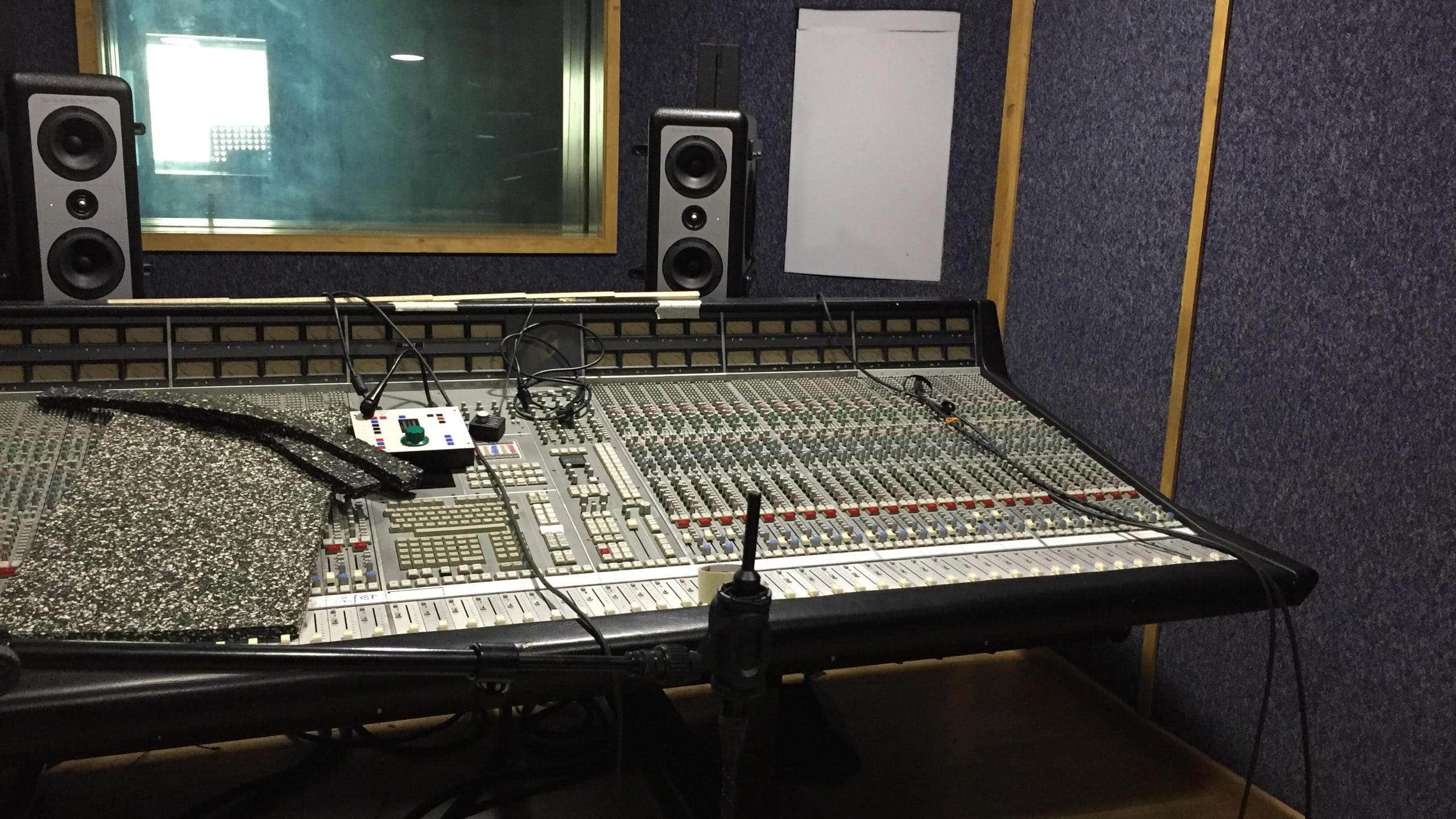
Inventory before extensive reconstruction measures
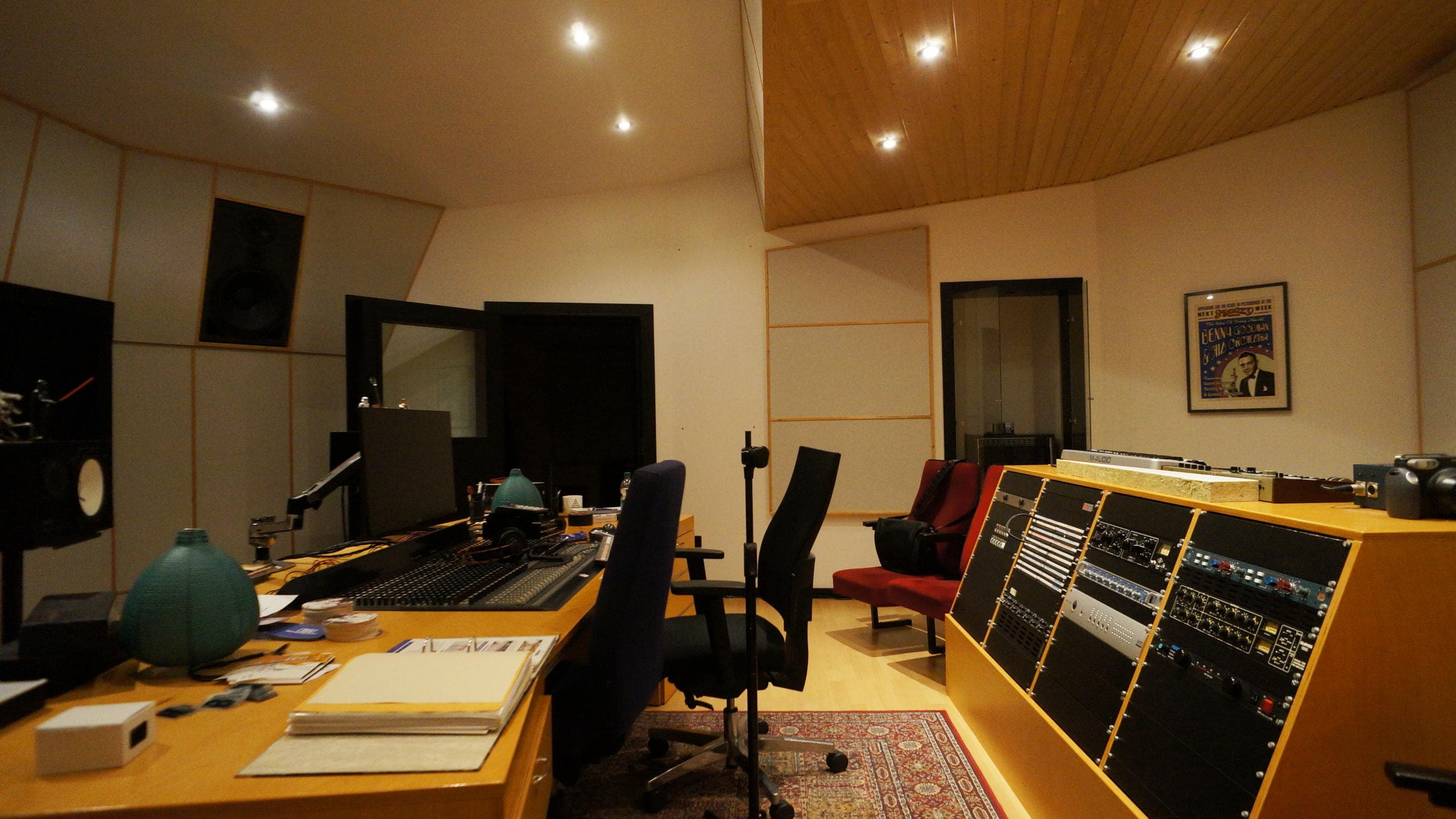
Modal analysis in the control room before reconstruction measures
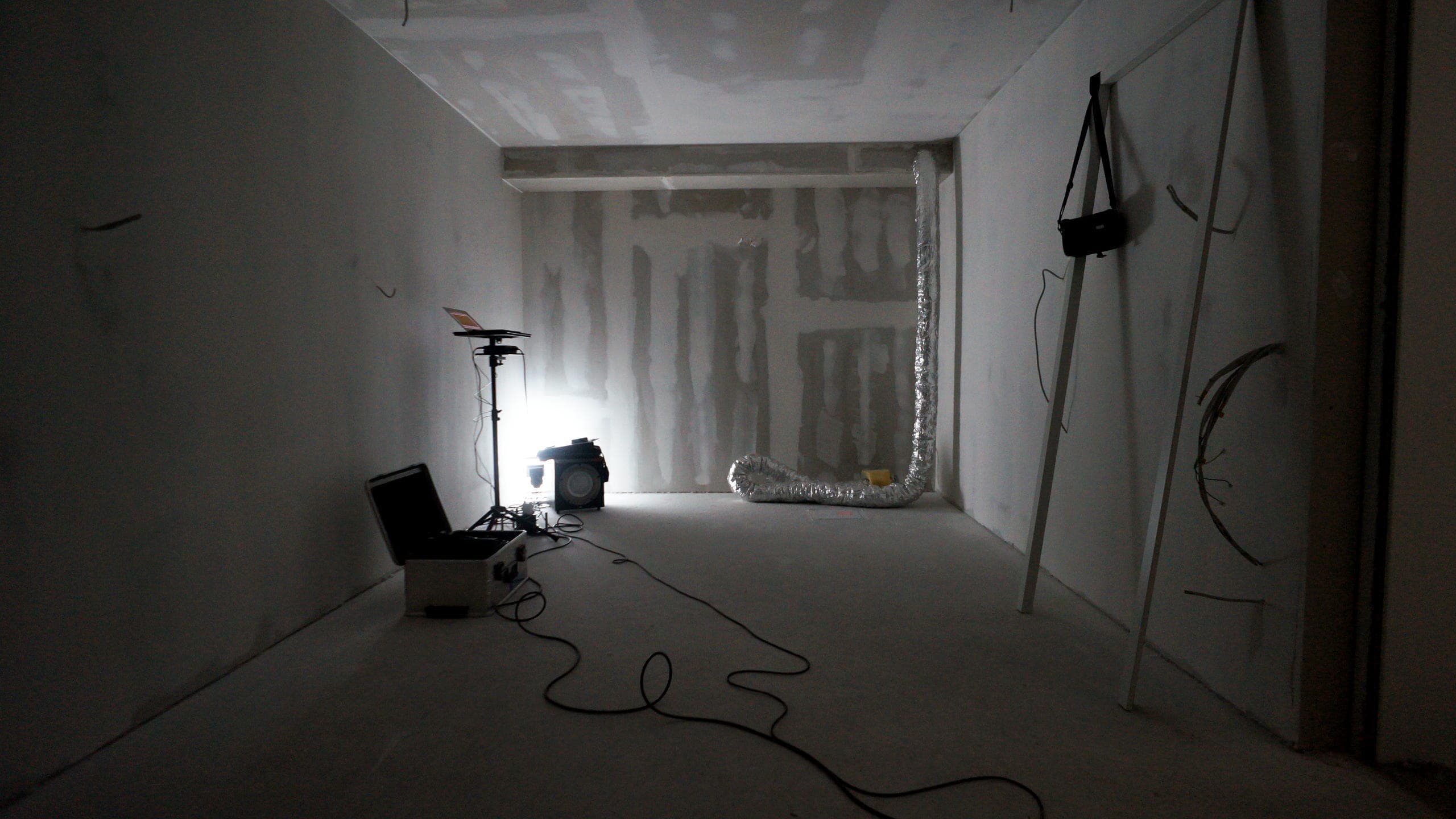
Analysis in the shell after completion of the room-in-room construction
Product information
The modal analysis includes
- Measurement at several positions
- Analysis of the orientation of eigenmodes
- Measurement of the space for later CAD planning
- Analysis of the existing components
- Identification of suitable positions for bass absorbers
- detailed measurement report
We prepare modal analyses both in the shell and in the existing building.
Color palette
Technical details
When looking at the following waterfall representations, in which only the microphone position changes, it becomes clear why pure measurement data without extensive details about the room have little informative value:

Waterfall diagram Microphone position 1. eigenmodes are particularly easy to read in this diagram.

Waterfall diagram Microphone position 2. eigenmodes are particularly easy to read in this diagram.

Waterfall diagram Microphone position 3. eigenmodes are particularly easy to read in this diagram.
"Auch für kleinere Budgets sind Produkte und Verfahren erhältlich, um die Akustik im Homestudio aufzuwerten und die eigenen Produktionen auf ein neues Niveau heben zu können."
Markus Bertram I Inhaber und Geschäftsführer